
Hip Problems & Joint Pain
Hip Pain & Hip Conditions
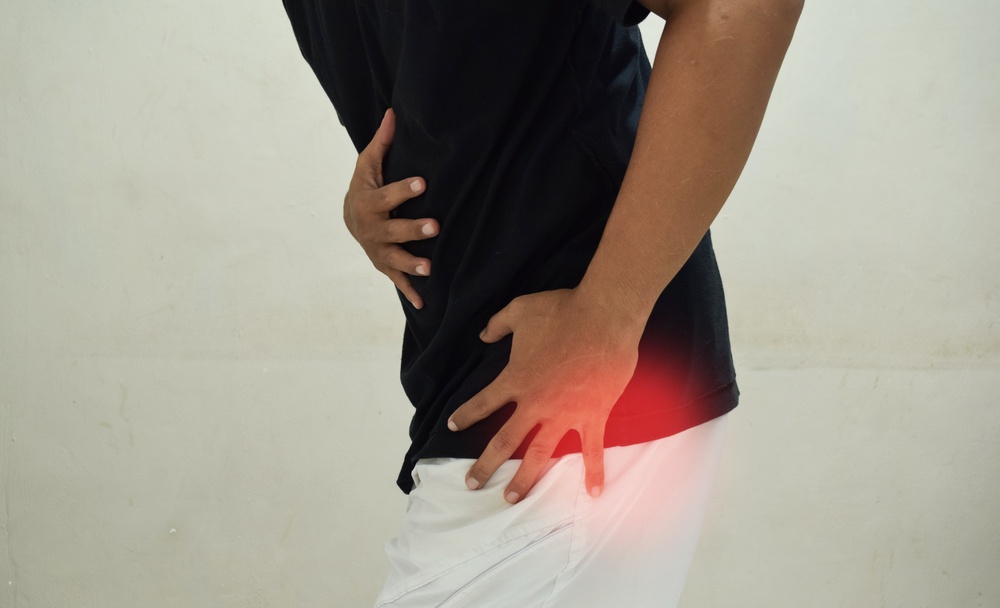
Hip pain can significantly affect mobility, balance, and overall quality of life. Simple daily activities such as walking, climbing stairs, sitting for long periods, bending, or standing may become painful and difficult. The hip joint is one of the body’s major weight-bearing joints, and conditions affecting it can gradually reduce movement, flexibility, and independence.
Hip problems may develop due to arthritis, sports injuries, fractures, muscle strain, tendon inflammation, cartilage damage, or age-related wear and tear. Some patients experience gradual stiffness over time, while others may develop sudden pain after injury or excessive physical activity.
We specialize in diagnosing and treating a wide range of hip conditions using advanced clinical evaluation, digital imaging, physiotherapy guidance, non-surgical treatments, injections, minimally invasive arthroscopic procedures, and joint replacement solutions whenever necessary. Our goal is to relieve pain, restore movement, improve hip strength, and help patients safely return to daily activities and active lifestyles.
Common Hip Conditions We Treat
Hip Arthritis & Degenerative Joint Disease
Hip arthritis is one of the most common causes of chronic hip pain and stiffness. It occurs when the protective cartilage inside the hip joint gradually wears down, causing friction between the bones.
Common Types Include:
- ➜ Osteoarthritis
- ➜ Rheumatoid arthritis
- ➜ Post-traumatic arthritis
Patients May Experience:
- ➜ Groin or hip pain during walking
- ➜ Morning stiffness in the joint
- ➜ Difficulty climbing stairs
- ➜ Reduced hip flexibility
- ➜ Pain while standing or sitting long periods
- ➜ Limping during movement
Treatment Options:
- ➜ Physiotherapy rehabilitation
- ➜ Weight management guidance
- ➜ Pain relief medications
- ➜ Joint injections
- ➜ Hip replacement surgery (severe cases)
The aim is to reduce pain, improve mobility, and preserve long-term joint function.
& Cartilage Injuries
Common Causes
- ➜ Sports-related injuries
- ➜ Repetitive hip movements
- ➜ Trauma or falls
- ➜ Hip joint structural issues
Symptoms May Include
- ➜ Deep groin or hip pain
- ➜ Clicking or catching sensation
- ➜ Stiffness during movement
- ➜ Pain while squatting or twisting
- ➜ Reduced athletic performance
Common In
- ➜ Athletes
- ➜ Dancers
- ➜ Runners
- ➜ Gym & fitness enthusiasts
Treatment Options
- ➜ Physiotherapy rehabilitation
- ➜ Activity modification
- ➜ Hip strengthening exercises
- ➜ Pain management treatments
- ➜ Arthroscopic hip procedures
- ➜ Cartilage repair techniques
Early treatment helps reduce further cartilage damage, improve joint stability, and restore hip function effectively.
Common Symptoms
- ➜ Groin pain during activity
- ➜ Pain while sitting for long periods
- ➜ Hip stiffness and tightness
- ➜ Reduced range of motion
- ➜ Difficulty during sports or exercise
Commonly Seen In
- ➜ Young athletes
- ➜ Active adults
- ➜ Individuals with repetitive hip movement
Diagnosis
- ➜ Physical examination
- ➜ X-rays
- ➜ MRI scans
➜ Physiotherapy and stretching exercises
➜ Mobility improvement programs
➜ Activity modification
➜ Pain management techniques
➜ Arthroscopic correction procedures when required
Proper treatment helps improve hip movement and prevents long-term joint damage.
Common Injuries
- ➜ Muscle strains
- ➜ Tendon injuries
- ➜ Hip flexor strain
- ➜ Labral tears
- ➜ Joint inflammation
Symptoms
- ➜ Pain during sports activity
- ➜ Reduced flexibility and strength
- ➜ Difficulty running or jumping
- ➜ Swelling or tightness
- ➜ Weakness during movement
Athletes At Risk
- ➜ Football players
- ➜ Cricket players
- ➜ Runners
- ➜ Gym athletes
- ➜ Dancers & athletics
➜ Accurate diagnosis and imaging
➜ Physiotherapy-guided recovery
➜ Muscle strengthening programs
➜ Mobility improvement exercises
➜ Safe return-to-sport planning
Goal is to restore performance and reduce future injury risk.
Common Symptoms
- ➜ Pain during walking or exercise
- ➜ Muscle tightness and tenderness
- ➜ Weakness around the hip
- ➜ Difficulty lifting the leg
- ➜ Reduced flexibility and mobility
Common Conditions
- ➜ Hip flexor strain
- ➜ Gluteal tendinitis
- ➜ Hamstring tendon injuries
- ➜ Bursitis around the hip joint
- ➜ Overuse muscle injuries
Treatment Options
- ➜ Rest and activity modification
- ➜ Physiotherapy rehabilitation
- ➜ Stretching and strengthening exercises
- ➜ Ice therapy and pain management
- ➜ Guided injections when necessary
Symptoms
- ➜ Severe hip or groin pain
- ➜ Difficulty standing or walking
- ➜ Swelling and bruising
- ➜ Leg weakness
- ➜ Reduced joint stability
Diagnosis
- ➜ X-rays
- ➜ CT scans or MRI imaging
- ➜ Clinical stability assessment
Treatment Options
- ➜ Fracture fixation surgery
- ➜ Hip replacement procedures
- ➜ Physiotherapy rehabilitation
- ➜ Strengthening & balance exercises
- ➜ Walking support & mobility training

Hip Mobility & Joint Flexibility
Restoring smooth movement and reducing stiffness helps improve daily activity performance and overall quality of life.
Symptoms
- ➜ Difficulty bending or rotating the hip
- ➜ Pain during walking or sitting
- ➜ Reduced flexibility
- ➜ Tightness around the joint
- ➜ Difficulty performing routine activities
Diagnosis
- ➜ Clinical examination
- ➜ X-rays and imaging studies
- ➜ MRI scans if required
- ➜ Mobility assessment
Treatment Options
- ➜ Physiotherapy rehabilitation
- ➜ Mobility and flexibility exercises
- ➜ Joint mobilization techniques
- ➜ Strengthening programs
- ➜ Pain management treatments
- ➜ Minimally invasive procedures
The aim of treatment is to restore smooth movement, improve flexibility, and reduce discomfort during daily activities.
Our Treatment Approach
We provide comprehensive and personalized treatment for hip injuries and joint conditions using advanced orthopedic care and rehabilitation techniques.
Our treatment approach includes:
- ✔ Detailed hip examination and diagnosis
- ✔ Digital X-rays, ultrasound, and MRI assessment
- ✔ Non-surgical pain management treatments
- ✔ Physiotherapy and rehabilitation programs
- ✔ Ultrasound-guided injections
- ✔ Arthroscopic (keyhole) hip procedures
- ✔ Hip preservation and joint replacement surgery
- ✔ Personalized strengthening and recovery plans
Our goal is to reduce pain, improve mobility, restore hip strength, and help patients safely return to work, sports, and everyday activities with better joint function and long-term hip health.
Book An Appointment Today
Take the first step toward a pain-free life with expert orthopaedic care.