
Sports Injury Management
Sports Injuries
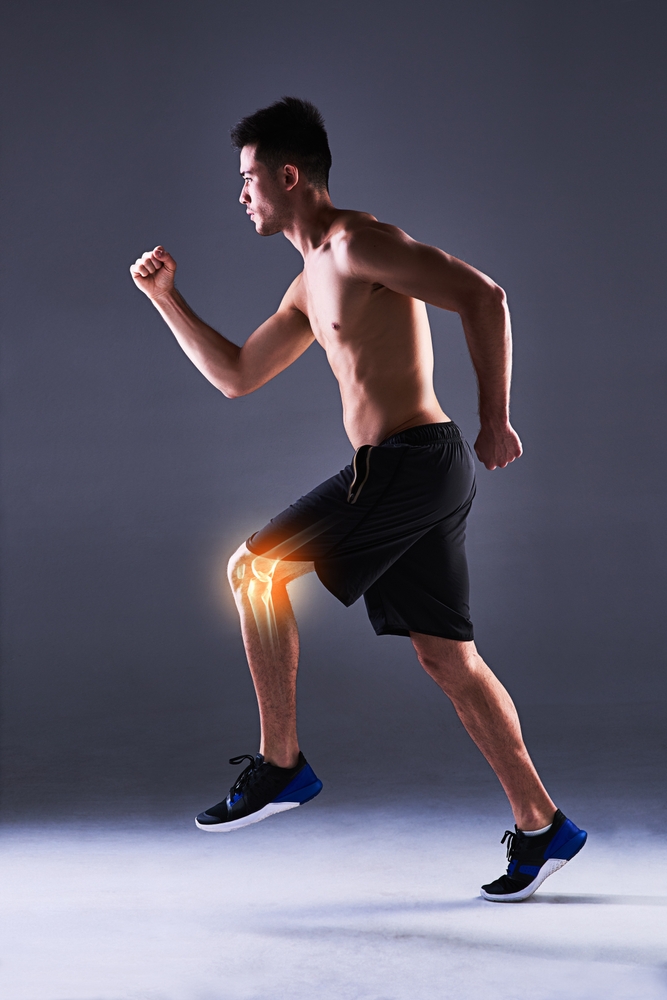
Sports injuries can affect athletes, fitness enthusiasts, gym users, and even individuals involved in regular physical activity. These injuries may occur suddenly due to trauma or develop gradually because of repetitive strain, overtraining, poor technique, or excessive stress on muscles and joints. Sports injuries commonly affect the knees, shoulders, ankles, elbows, wrists, muscles, ligaments, and tendons, leading to pain, swelling, weakness, instability, and reduced performance.
Whether you are a professional athlete or someone who enjoys recreational fitness activities, proper diagnosis and timely treatment are important to prevent long-term complications and ensure safe recovery. We specialize in comprehensive sports injury management using advanced clinical evaluation, digital imaging, physiotherapy rehabilitation, non-surgical treatments, regenerative therapies, arthroscopic procedures, and performance-focused recovery programs.
Our goal is to reduce pain, restore strength and mobility, improve performance, and help patients safely return to sports and physical activity with confidence.
Common Sports Injuries We Treat
Ligament Tears & Sprains
Ligaments are strong bands of tissue that help stabilize joints during movement. Ligament injuries commonly occur during sports involving sudden twisting, jumping, pivoting, or direct impact.
Common Ligament Injuries:
- ➜ ACL injuries
- ➜ Ankle sprains
- ➜ Shoulder ligament injuries
- ➜ Wrist ligament damage
- ➜ Elbow ligament tears
Symptoms May Include:
- ➜ Sudden pain after injury
- ➜ Swelling and bruising
- ➜ Joint instability or “giving way” sensation
- ➜ Difficulty walking or moving the joint
- ➜ Reduced sports performance
Treatment Options:
- ➜ Bracing and support
- ➜ Physiotherapy rehabilitation
- ➜ Strengthening and balance exercises
- ➜ Sports-specific recovery programs
- ➜ Ligament reconstruction surgery in severe cases
The focus is on restoring joint stability and preventing future injuries.
Tendon Injuries
Commonly Affected Areas
- ➜ Hamstrings
- ➜ Quadriceps
- ➜ Calf muscles
- ➜ Shoulder tendons
- ➜ Elbow & wrist tendons
Symptoms
- ➜ Pain during activity
- ➜ Muscle tightness or spasms
- ➜ Swelling and tenderness
- ➜ Weakness during movement
- ➜ Difficulty in sports performance
Common Causes
- ➜ Overuse of muscles
- ➜ Sudden stretching or jerky movement
- ➜ Improper warm-up
- ➜ Heavy training load
- ➜ Repetitive strain
Treatment Options
- ➜ Rest and activity modification
- ➜ Ice therapy & swelling control
- ➜ Physiotherapy rehabilitation
- ➜ Stretching & strengthening exercises
- ➜ PRP therapy (selected cases)
- ➜ Tendon repair (if required)
Common Causes
- ➜ Ligament injuries
- ➜ Repeated dislocations
- ➜ Sports trauma
- ➜ Muscle imbalance
- ➜ Joint overuse or strain
Symptoms
- ➜ Feeling of joint slipping
- ➜ Pain and swelling
- ➜ Weakness during activity
- ➜ Recurrent dislocations
- ➜ Loss of confidence in movement
Diagnosis
- ➜ Clinical examination
- ➜ MRI scans
- ➜ Functional movement assessment
- ➜ Stability testing
- ➜ Imaging evaluation
Treatment options may include:
➜ Physiotherapy rehabilitation
➜ Muscle strengthening programs
➜ Balance and stability training
➜ Bracing support
➜ Arthroscopic stabilization surgery (if required)
Early treatment helps restore joint stability and prevents long-term damage.
Common Overuse Injuries
- ➜ Tendinitis
- ➜ Shin splints
- ➜ Runner’s knee
- ➜ Tennis elbow
- ➜ Stress-related joint pain
Symptoms
- ➜ Gradual onset pain
- ➜ Swelling after activity
- ➜ Muscle fatigue
- ➜ Reduced flexibility
- ➜ Pain worsening with exercise
Risk Factors
- ➜ Overtraining
- ➜ Poor technique
- ➜ Inadequate recovery
- ➜ Repetitive strain
- ➜ Sudden increase in activity
➜ Physiotherapy rehabilitation
➜ Stretching and mobility exercises
➜ Strength and conditioning programs
➜ Load management and recovery planning
➜ Pain control and inflammation management
Proper rehabilitation helps restore performance and reduces the risk of chronic injury.
Common Injuries
- ➜ Runner’s knee
- ➜ Muscle strains
- ➜ Tendon inflammation
- ➜ Shoulder gym injuries
- ➜ Lower back strain
Symptoms
- ➜ Pain during workouts
- ➜ Swelling or stiffness
- ➜ Weakness during activity
- ➜ Reduced performance
- ➜ Difficulty returning to exercise
Treatment Approach
- ➜ Sports physiotherapy
- ➜ Technique correction
- ➜ Strength training
- ➜ Flexibility improvement
- ➜ Gradual return-to-sport plan
Acute Sports Trauma
Early assessment and treatment help reduce complications and improve recovery outcomes.
Common Injuries
- ➜ Fractures
- ➜ Joint dislocations
- ➜ Muscle tears
- ➜ Ligament ruptures
- ➜ Cartilage injuries
Symptoms
- ➜ Sudden severe pain
- ➜ Swelling and bruising
- ➜ Difficulty moving the injured area
- ➜ Instability or deformity
- ➜ Inability to continue sports activity
Treatment Options
- ➜ Emergency injury care
- ➜ Immobilization and support
- ➜ Pain management
- ➜ Physiotherapy rehabilitation
- ➜ Arthroscopic or surgical procedures in severe cases
Our Treatment Approach
We provide comprehensive sports injury care focused on accurate diagnosis, effective rehabilitation, injury prevention, and performance recovery.
Our treatment approach includes:
- ✔ Detailed sports injury assessment
- ✔ Digital X-rays, ultrasound, and MRI evaluation
- ✔ Non-surgical pain management treatments
- ✔ Sports physiotherapy and rehabilitation
- ✔ PRP and regenerative treatment options
- ✔ Arthroscopic (keyhole) procedures
- ✔ Ligament and tendon repair treatments
- ✔ Personalized recovery and conditioning programs
- ✔ Return-to-sport assessment and guidance
Our goal is to help patients recover faster, restore strength and flexibility, improve athletic performance, and safely return to sports and physical activity with reduced risk of re-injury.
Book An Appointment Today
Take the first step toward a pain-free life with expert orthopaedic care.