
Shoulder Injuries & Disorders
Shoulder pain and stiffness can significantly affect your quality of life and make simple daily activities difficult. Tasks such as lifting objects, reaching overhead, dressing, driving, exercising, or even sleeping comfortably may become painful and restricted. The shoulder is one of the most mobile joints in the body, which also makes it more vulnerable to injuries, instability, tendon problems, and wear-and-tear conditions. We specialize in the diagnosis and treatment of a wide range of shoulder injuries and disorders using advanced clinical evaluation, digital imaging, non-surgical treatments, physiotherapy guidance, injections, and minimally invasive arthroscopic procedures whenever required. Our goal is to relieve pain, restore shoulder movement, improve strength, and help patients safely return to normal activities.
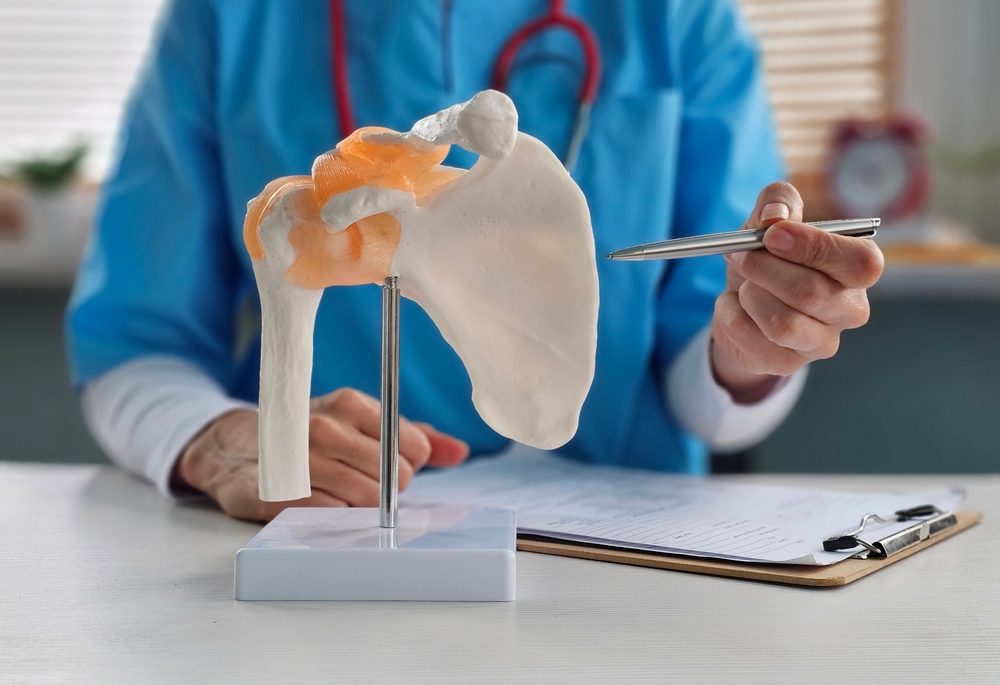
Common Shoulder Conditions We Treat
Rotator Cuff Injuries
The rotator cuff is a group of muscles and tendons that help stabilize the shoulder joint and allow smooth arm movement. Rotator cuff injuries are among the most common causes of shoulder pain and may occur due to ageing, repetitive overhead activity, sports injuries, gym-related strain, or sudden trauma.
Symptoms May Include:
- ➜ Pain while lifting or rotating the arm
- ➜ Shoulder weakness during daily activities
- ➜ Difficulty sleeping on the affected side
- ➜ Clicking sensation during movement
- ➜ Reduced shoulder mobility and strength
Some patients may only have inflammation or partial tendon damage, while others may develop complete tendon tears. Diagnosis usually involves a detailed examination along with X-rays, ultrasound, or MRI scans to assess the severity of the injury.
Treatment Options:
- ➜ Rest and activity modification
- ➜ Pain relief medications
- ➜ Physiotherapy and strengthening exercises
- ➜ Ultrasound-guided injections
- ➜ Arthroscopic rotator cuff repair surgery in severe cases
Early treatment often helps prevent worsening of the condition and improves long-term shoulder function.
(Stiff Shoulder)
Condition Phases
- ➜ Painful phase
- ➜ Stiffness phase
- ➜ Recovery phase
Common Symptoms
- ➜ Progressive shoulder stiffness
- ➜ Pain during shoulder movement
- ➜ Difficulty reaching overhead or behind the back
- ➜ Restricted arm movement during dressing or grooming
- ➜ Night pain and disturbed sleep
Who Is More At Risk?
- ➜ Patients with diabetes
- ➜ Thyroid-related disorders
- ➜ Long-term shoulder immobilization
- ➜ Shoulder injury or trauma
- ➜ Post-surgical shoulder stiffness
Treatment Options
- ➜ Physiotherapy and stretching exercises
- ➜ Joint mobilization techniques
- ➜ Anti-inflammatory medications
- ➜ Heat and ice therapy
- ➜ Steroid injections when required
- ➜ Guided rehabilitation programs
Most patients gradually recover with proper rehabilitation and guided physiotherapy, helping restore shoulder movement and reduce long-term stiffness.
Common Causes
- ➜ Sports injuries
- ➜ Falls or accidents
- ➜ Ligament damage
- ➜ Previous shoulder dislocation
- ➜ Repetitive overhead activities
Symptoms Patients Feel
- ➜ Sudden severe shoulder pain
- ➜ Feeling of the shoulder slipping out
- ➜ Weakness during arm movement
- ➜ Recurrent dislocations
- ➜ Loss of confidence while using the shoulder
Diagnosis & Evaluation
- ➜ Clinical examination
- ➜ X-rays
- ➜ MRI scans
- ➜ CT scans
- ➜ Shoulder stability assessment
Treatment options depend on the severity of instability and may include:
➜ Shoulder strengthening exercises
➜ Physiotherapy rehabilitation
➜ Shoulder support braces
➜ Arthroscopic stabilization surgery for recurrent instability
The aim is to restore shoulder stability, improve movement, and reduce the risk of future dislocations.
Commonly Affects
- ➜ Office workers with poor posture
- ➜ Athletes performing overhead movements
- ➜ Swimmers and tennis players
- ➜ Individuals involved in repetitive shoulder activities
Common Symptoms
- ➜ Pain while raising the arm
- ➜ Shoulder discomfort during overhead activities
- ➜ Weakness and reduced strength
- ➜ Difficulty sleeping due to shoulder pain
- ➜ Pain while reaching backward or sideways
Treatment Options
- ➜ Activity modification
- ➜ Posture correction exercises
- ➜ Physiotherapy rehabilitation
- ➜ Anti-inflammatory medications
- ➜ Ultrasound-guided injections
- ➜ Arthroscopic decompression procedures
Early treatment helps reduce inflammation, improve shoulder movement, and prevent long-term shoulder damage.
Common In
- ➜ Athletes
- ➜ Weightlifters
- ➜ Throwing sports players
- ➜ Individuals with shoulder dislocations
Symptoms May Include
- ➜ Deep shoulder pain
- ➜ Clicking or popping sensation
- ➜ Weakness during movement
- ➜ Shoulder instability
- ➜ Pain during lifting or overhead activity
Diagnosis & Treatment
- ➜ Physical examination
- ➜ MRI scans with contrast
- ➜ Arthroscopic evaluation
- ➜ Physiotherapy rehabilitation
- ➜ Shoulder strengthening programs
- ➜ Activity modification
- ➜ Arthroscopic labral repair surgery
Common Sports Associated
- ➜ Cricket
- ➜ Tennis
- ➜ Badminton
- ➜ Swimming
- ➜ Volleyball
- ➜ Gym and fitness training
Common Injuries & Symptoms
- ➜ Rotator cuff strains
- ➜ Tendon inflammation
- ➜ Shoulder instability
- ➜ Labral injuries
- ➜ Muscle tears
- ➜ Ligament sprains
- ➜ Shoulder pain during activity
- ➜ Weakness and fatigue
- ➜ Reduced throwing or lifting strength
Treatment & Recovery
- ➜ Accurate diagnosis
- ➜ Pain management
- ➜ Sports rehabilitation
- ➜ Muscle strengthening
- ➜ Physiotherapy programs
- ➜ Safe return-to-sport planning
- ➜ Advanced arthroscopic treatment

Shoulder Stability & Soft Tissue Support
Proper rehabilitation and early treatment help restore shoulder strength, improve mobility, and reduce the risk of future tendon or ligament injuries.
Common Causes
- ➜ Sudden falls or accidents
- ➜ Repetitive overhead activities
- ➜ Heavy lifting
- ➜ Sports injuries
- ➜ Age-related wear and tear
Symptoms
- ➜ Shoulder swelling and tenderness
- ➜ Pain during movement
- ➜ Weakness in the arm
- ➜ Restricted shoulder motion
- ➜ Joint instability
Diagnosis
- ➜ Clinical examination
- ➜ Ultrasound imaging
- ➜ MRI scans
- ➜ Functional shoulder assessment
Treatment Options
- ➜ Rest and activity modification
- ➜ Physiotherapy rehabilitation
- ➜ Pain management medications
- ➜ Guided injections
- ➜ Arthroscopic repair surgery
Proper rehabilitation plays an important role in restoring shoulder strength and preventing future injuries. Early diagnosis and guided physiotherapy help improve long-term shoulder stability and movement.
Our Treatment Approach
We provide comprehensive and personalized shoulder care focused on accurate diagnosis, pain relief, functional recovery, and long-term joint health.
Our treatment approach includes:
- ✔ Detailed shoulder evaluation and diagnosis
- ✔ Digital X-rays, ultrasound, and MRI assessment
- ✔ Non-surgical pain management treatments
- ✔ Physiotherapy and rehabilitation guidance
- ✔ Ultrasound-guided shoulder injections
- ✔ Arthroscopic (keyhole) shoulder surgery
- ✔ Rotator cuff and ligament repair procedures
- ✔ Personalized recovery and strengthening programs
Our goal is to help patients reduce pain, restore shoulder movement, improve strength, and safely return to work, sports, and everyday activities with confidence.
Book An Appointment Today
Take the first step toward a pain-free life with expert orthopaedic care.